Trending Now
CATL refreshes Qilin and Shenxing battery roadmapBYD312.40+2.41%NIO6.72-1.18%XPEV21.05+0.84%Li Auto28.13+1.92%
Shanghai 26C

China's EV wars just got louder

Brand new models, faster charging, and lower prices push China's EV fight into a sharper global phase.

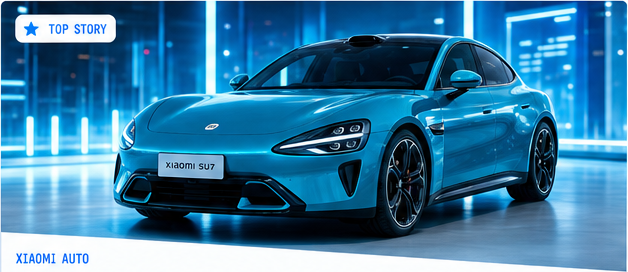
Xiaomi SU7 MaxShanghai Auto ShowLaunch Event
Blue Xiaomi SU7 electric car in a neon-lit studio

The Xiaomi SU7 is no longer only a consumer-electronics flex. It is a signal that China's EV competition is moving from scale into speed: faster platforms, faster launches, and faster price resets.1

The 800V architecture matters because charging speed is becoming a headline weapon. Buyers may not understand every cell chemistry detail, but they understand less time waiting and more usable range.

For incumbent automakers, the dangerous part is Xiaomi's software loop. The company can bring phone-era product rhythm into a market that already moves faster than most global rivals can comfortably match.

Sources & Context

Companies

Key Numbers

800VCharging pitch

High-voltage architecture is now a mainstream competitive signal.

620 kmRange claim

CLTC range gives buyers a simple comparison point.

5.28sAcceleration

Performance remains part of the value narrative.

LFPBattery route

Cost discipline matters as price pressure deepens.

Source Notes

Official product context

Xiaomi's own SU7 page is the primary reference for the current product positioning, pricing, range, and charging claims.

Open source

Verification cue

Model-year specs can change, so treat launch-slide numbers and display-card numbers as claims that need matching to the current official configurator.

Market context

BYD, NIO, and XPeng are included because their pricing and charging narratives define the comparison set.

Citations

  1. 1Xiaomi SU7 official product page

Editorial note

Electric Mike separates source claims, market context, and our read on what changes next.

Xiaomi SU7 official product page